

Why a Brand Redesign May Not Solve Your Brand Strategy Problem
A new logo doesn’t fix an unclear strategy. Muse and Fizz Creative discuss how brand strategy supports meaningful visual branding.

Jackie Bebenroth, Muse Founder & Principal
When branding or rebranding, it's commonplace for entrepreneurs and marketing leaders to leap straight into visual identity before considering the strategy behind it. They spend days, weeks, or months debating subjective preferences on the logo, color palette, and typefaces. Only then do they start to understand that the real issue may not be how the brand looks, but how it’s understood.
Katie and Jasen Melnick, Co-Founders of Fizz Creative, can spot this before most do. Through many years of visual refresh experience and lessons learned, they’ve noticed when a client needs more than design. One cue that their client needs a brand strategy before brand design is when the question, “So, what do you do?” turns into a very lengthy answer.
When the brand strategy feels off or non-existent, they often send clients to Muse because they know that designing on a shaky foundation can lead to an inefficient, budget-busting process.
Here’s what happens when brand strategy comes before visual identity.
Branding Q&A with Fizz Creative
Jackie: You often refer clients to us before taking on their request for design. What are the early signs that they need brand strategy first?
Fizz: The biggest one is when a client takes two hours to explain what they do. That’s usually the moment we know something’s off.
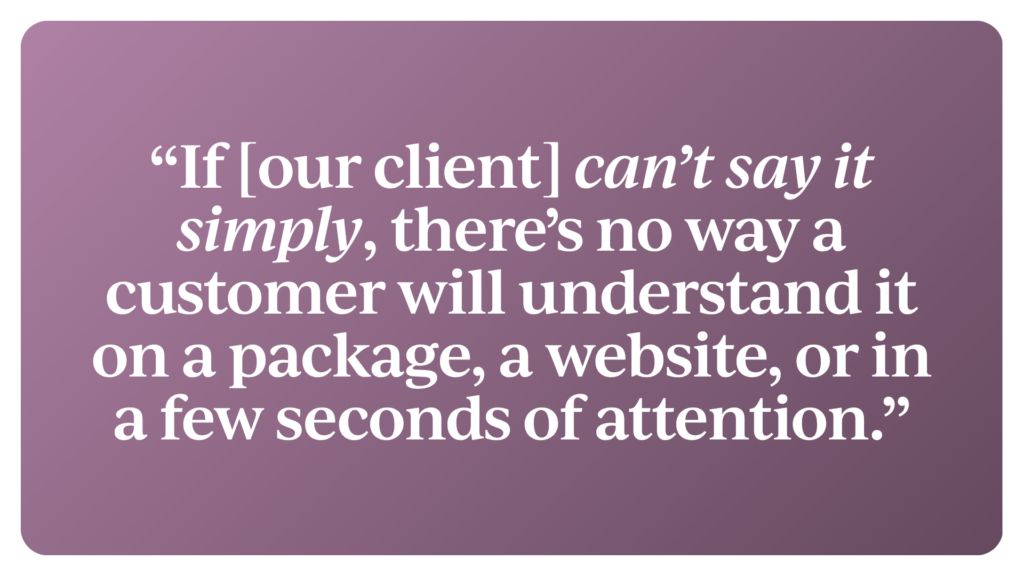
It’s not that they don’t understand their business—they’re usually passionate and knowledgeable—but they can’t distill it into their core brand value. If they can’t say it simply, there’s no way a customer will understand it on a package, a website, or in a few seconds of attention.
Jackie: So, when that happens, what’s really missing?
Fizz: They lack a succinct “Why.” A lot of clients can explain how their product or service works or how they’re different, but they can’t clearly articulate why it matters.
We also see confusion in brand architecture. When there are too many sub-brands, mixed messages, and no clear hierarchy, that’s a signal that this isn’t just a design problem. We know at that point that a solid brand strategy will help.
Jackie: Do clients typically recognize this is a problem on their own?
Fizz: Not always. Many feel like something is off, but they assume a new logo will fix it. They’re looking for a visual solution to what is, in reality, a foundational problem. In these situations, we know a logo will be a Band-Aid solution, so we often send them to Muse to solve the identity crisis first.
Jackie: What are the risks of moving forward with design before that foundation is in place?
Fizz: You end up designing without direction and things often become subjective. We hear things like, “I like this,” or “I don’t like that,” instead of reacting to something that truly represents the whole of the organization and will connect with buyers.
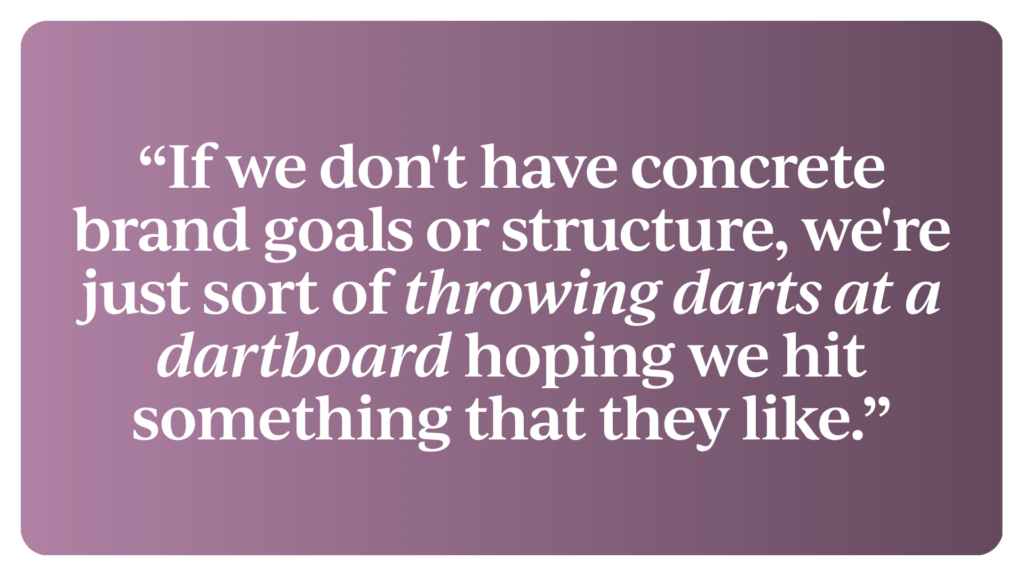
If we don't have concrete brand goals or structure, we're just sort of throwing darts at a dartboard, hoping we hit something they like. Even if they do like it, we might be creating something they like versus something that really resonates with their buyers.
Jackie: What does that look like in practice?
Fizz: We see endless revisions, shifting direction, and a lot of inefficiency. Without strategy, everything is reactive. Clients chase examples they’ve seen elsewhere, even totally unrelated brands, and make decisions based on preference instead of purpose.
We’ve seen projects stall and even fall apart because there was no clear foundation to guide decisions.
Jackie: On the flip side, what changes when strategy comes first?
Fizz: Everything gets easier. When we come into a project after brand strategy is defined, there’s already clarity around audience, positioning, and tone. We can move faster and with more confidence. In some cases, we can go straight into design because the hard decisions have already been made.
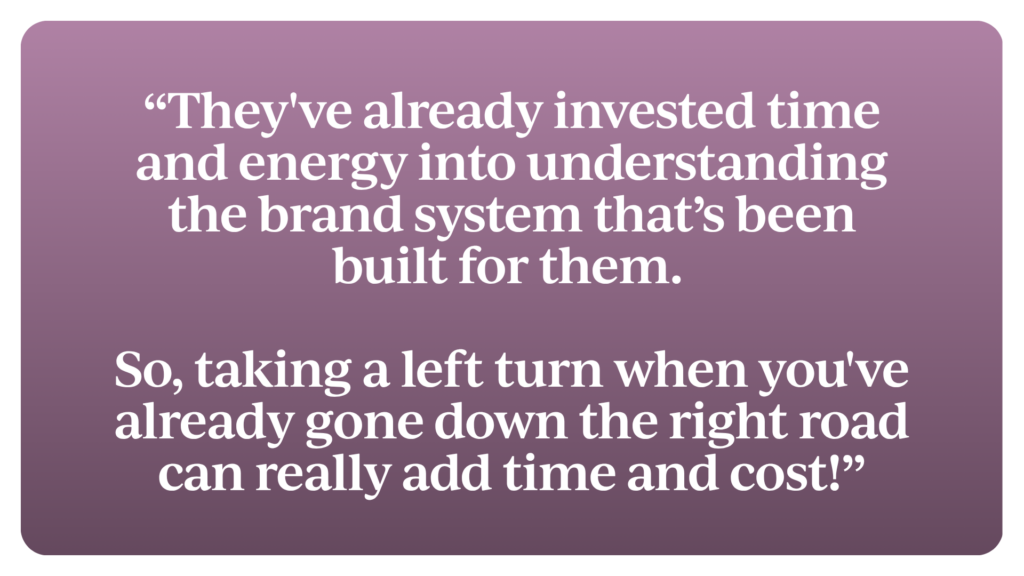
An established brand strategy holds them accountable in another way. They've already invested time and energy into understanding the brand system that’s been built for them. So, taking a left turn when you've already gone down the right road can really add time and cost!
Jackie: Why does structure matter so much in a creative process?
Fizz: Structure matters more than clients think. Without it, you can go anywhere, but that’s the problem.
Design has infinite possibilities. Strategy helps narrow the field so you can actually create something meaningful and distinct.
It’s like having a compass in the woods. You can explore and meander a bit, but you’re still moving in a clear direction guided by something you can rely on.
Jackie: Okay, final question. How should leaders think about the relationship between strategy and design?
Fizz: Strategy is the foundation, and design is the expression. The visuals should reflect the decisions that’ve already been made, like who you are, who you serve, and why you matter.
Without that, design is just great decoration. With it, design becomes a powerful tool for forward-thinking growth.
Make Branding Decisions Rooted in Strategy
If your messaging feels all over the place, or if your last rebrand didn’t move the needle, the issue probably isn’t your logo. You need a strategic foundation, not a style fix.
At Muse, we help brands and leaders define their true north and how they make an impact, then layer on visual branding work with tenured partners like Fizz. Start the conversation here.
About the Author

Jackie Bebenroth
Jackie Bebenroth is Founder and Chief Brand Advisor of Muse. She works alongside leading brands and executives to develop strategic positioning and messaging strategies that set the stage for long-term success. Her work, from local restaurant branding to six-figure global initiatives, has flown her around the country to speak on the art of content marketing. Jackie has earned a number of accolades, most notably a SXSW Interactive finalist award, the American Advertising Federation’s 40 under 40 award and Content Marketing Institute’s Content Marketing Leader of the Year.
More Good Reads

Turning Our Advice Inward: The Muse Brand Refinement, Part 1
A look inside what happens when a brand strategy firm refines its own identity.
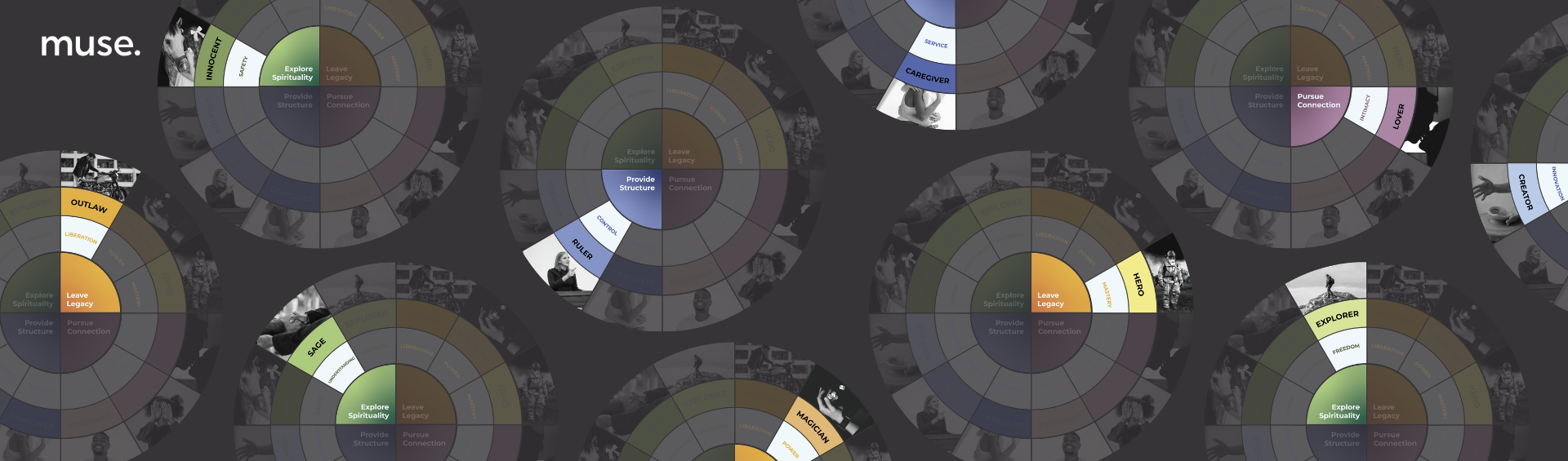
Brand Archetypes Explained: How Personality Drives Differentiation
Personality drives differentiation, and brand archetypes drive personality. Learn what a brand archetype is and why it’s an essential brand asset.